
A friend informs you of a cryptocurrency whose price has increased by a whopping 50. You open an account with an exchange, watch a few videos and you’re suddenly ready to put your money into. The issue is that you don’t know the technology. You may be able be aware of price fluctuations without knowing what you’re buying, the way the technology works or what’s going to happen if something goes awry.
Before any real money can be spent, cryptocurrency education must close the gap. The Coin Course provides educational resources that focus on blockchain fundamentals as well as cryptocurrency wallets. It also provides information on decentralized finance, non-centralized financial technology as well as security, trading as well as other topics. It is advisable to study these subjects in the order that is most relevant for beginners.
Start with the transaction Then, not the Price Chart
A well-written tutorial on cryptography should explain the actual function of cryptocurrency. Bitcoin is a good example provides value that can be transferred between its networks without the requirement for an institution of traditional banking to keep a transaction ledger. Ethereum allows digital currencies to be used and applications that utilize programmable contracts.
It’s hard to comprehend either technology by simply looking at its price. Begin by studying how wallet addresses function and the reason the reasons why transactions require confirmation from a network and how cryptocurrency is different from money stored in bank accounts. These fundamentals can help you understand the possibilities and limitations of digital assets.
Make One Transaction through the Blockchain
It’s easier to grasp technical concepts when they are tied to an activity you know. Imagine transferring cryptocurrency from your wallet to another person. Your wallet creates a new transaction that is then authorized through your private key. The transaction is then submitted to the network and then checked against its regulations and then added to the blockchain.
This procedure can be demonstrated in a practical blockchain tutorial with an application called a block-explorer that allows users to examine the details of transactions and verify their status.
This exercise also provides an vital lesson on security Blockchain transactions are usually not affected by the sender typed an incorrect address. Understanding the process of transaction will enable you to use your wallet in a way that is more palatable.
Learn to Protect Your assets prior to exploring DeFi
Many beginners focus on finding profitable investments and neglect the fundamentals of security for their wallets. Your private keys are the only access point to your cryptocurrency. A recovery phrase can allow an individual to re-open a compatible wallet and potentially access its assets.
If you agree with this statement, your holdings may be in danger. The distinctions between software and hardware wallets, and custodial exchanges must be explained in useful blockchain guides.
They should also consider addressing phishing attempts, suspicious transactions with wallets, as well as the dangers of approving smart contract authorizations without fully understanding their. These lessons are especially relevant when exploring decentralized finances, where users can engage directly with apps, instead of using traditional intermediaries.
Learn Crypto Trading Without Confusing Activity With Progression
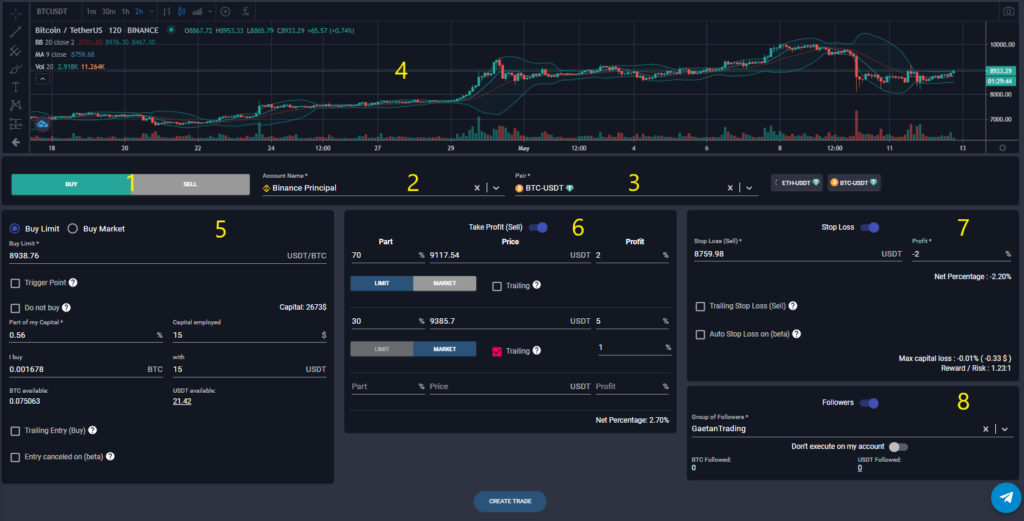
People who want to learn crypto trading often begin with candlestick patterns and technical indicators. These tools are useful but they should not be used in lieu of a good knowledge of risk. It is essential to know your risk tolerance prior to deciding to invest.
Limit orders allow you to determine the price, however execution cannot be guaranteed. Market orders give priority to immediate execution. The leverage increases the risk since tiny price fluctuations could cause significant losses.
Beginners can get some practice in analyzing markets and making hypothetical trades, before committing real money. A journal of trading can also help to determine if decisions follow an established strategy or react to the excitement or fear.
Discover Advanced Topics with Better Questions
When the basics are understood topics like DeFi Staking, NFTs, and smart contracts become more palatable to analyze. Instead of focusing on what a DeFi platform can charge, investigate where the yield is derived and the risks users accept.
When studying NFTs make sure to distinguish between ownership of a token and ownership of the work or intellectual rights that are the basis of.
To stake, you must know if rewards are paid to participants who help to secure the network or result from another financial arrangement. The Coin Course integrates these topics within a larger cryptocurrency education experience. This helps readers develop their knowledge across the different areas of industry.
Gain knowledge that lasts longer than market trends
The price of cryptocurrency changes frequently, but the fundamentals remain relevant. Knowing the basics of blockchain transactions and trade mechanics, security of wallets and decentralized applications can help you evaluate new projects without having to rely on advertising claims.
It’s not necessary to be able to grasp everything at once. Once you’ve learned the basics, you can proceed to more advanced topics. It’s not necessary to be an expert in a day. The goal is to gain enough experience to be able to recognize risks and opportunities, ask questions that are more intelligent and make better decisions as the cryptocurrency industry develops.
